
15 products




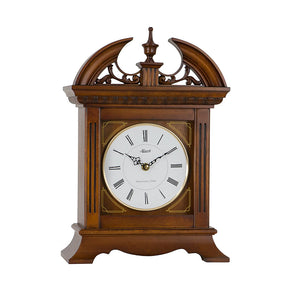



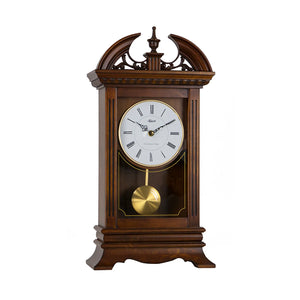


Discover the Timeless Appeal of a Mechanical Mantel Clock
A mechanical mantel clock is more than a way to tell time. It represents traditional clockmaking through a carefully engineered movement of springs, gears, and other mechanical components working together.
Unlike battery-powered quartz clocks, traditional mechanical mantel clocks are powered by stored energy in a wound mainspring. Many models are wound manually with a key, creating an ownership experience that connects you directly with the clock.
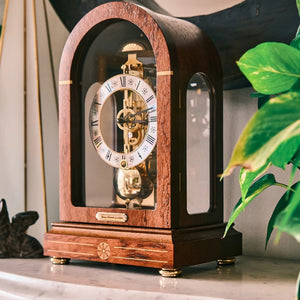
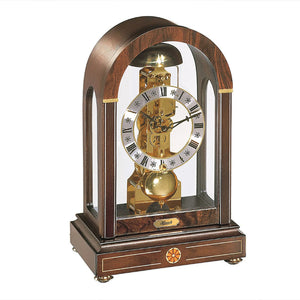
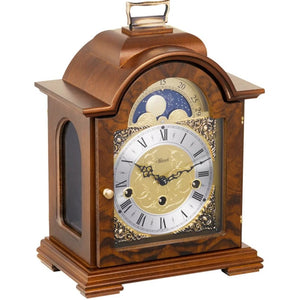
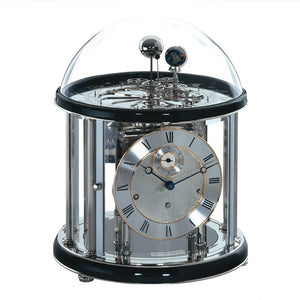
From beautifully finished wooden cases to exposed movements and traditional dials, mechanical mantel clocks can serve as both functional timepieces and distinctive decorative accents.
How Does a Mechanical Mantel Clock Work?
A traditional mechanical mantel clock operates without using a quartz movement for timekeeping. Instead, energy is stored in a mainspring when the clock is wound.
The mainspring gradually releases its stored energy through a system of precisely arranged gears. An escapement regulates this energy, allowing the hands to advance at a controlled rate.
Depending on the model, additional mechanical components may operate the clock's striking or chiming functions.
This intricate interaction of gears, springs, and other components is one reason mechanical clocks continue to appeal to people who appreciate traditional engineering and craftsmanship.
Mechanical Chiming Mantel Clocks
A mechanical chiming mantel clock combines traditional timekeeping with mechanically produced chimes.
Rather than reproducing a recorded sound through an electronic speaker, a traditional mechanical chiming movement uses hammers to strike rods or other resonating components inside the clock.
Depending on the particular movement, mechanical mantel clocks may feature familiar melodies such as the Westminster chime, along with hour-strike functions.
Some models also offer features such as automatic nighttime shut-off, depending on the movement.
The combination of mechanical operation and traditional sound gives a chiming mantel clock much of its distinctive character.
Key-Wound Mechanical Mantel Clocks
Many traditional mechanical clocks are key-wound mantel clocks. A winding key is inserted into designated winding points on the clock's dial to wind the movement.
Depending on the movement, separate winding points may power the timekeeping, chime, and strike mechanisms.
Many popular models use an 8-day mechanical movement, allowing the clock to operate for approximately a week between windings. Actual running time can vary by movement and operating conditions.
For many owners, weekly winding becomes part of the enjoyment of owning a mechanical clock rather than simply a maintenance task.
Mechanical Mantel Clock vs. Quartz Mantel Clock
One of the most common questions when purchasing a mantel clock is whether to choose mechanical or quartz.
The fundamental difference is the movement.
A mechanical mantel clock typically receives its power from a wound mainspring and uses physical gears and regulating components to keep time. A quartz mantel clock uses a battery-powered electronic movement regulated by a quartz crystal.
Quartz clocks generally offer greater convenience and require less routine attention. Mechanical clocks require winding and may occasionally need adjustment or professional servicing.
However, people who choose mechanical clocks often do so specifically because they appreciate the traditional movement, craftsmanship, mechanical chimes, and interaction involved in owning them.
For a deeper comparison, link this section internally to your article “Mechanical Mantel Clock vs. Quartz Mantel Clock: What’s the Difference?”
German Mechanical Mantel Clocks
Germany has a long-established tradition of mechanical clockmaking, and German mechanical mantel clocks remain popular among buyers looking for traditional movements and craftsmanship.
Manufacturers such as Hermle are known for producing mechanical clock movements as well as finished clocks in traditional and contemporary styles.
Depending on the model, a German mantel clock may feature an 8-day movement, mechanical chimes, polished wood cabinetry, decorative dials, visible movement components, or glass panels that allow the mechanism to be viewed.
These details can make a German mechanical clock an attractive centerpiece for a mantel, living room, library, office, or study.
How to Choose the Best Mechanical Mantel Clock for Your Home
When shopping for a mechanical mantel clock, consider more than appearance. The movement and features can significantly affect how you interact with the clock.
Important features to consider include:
- Movement type: Look at the specific mechanical movement and winding interval.
- Chime: Decide whether you prefer Westminster or another available chime sequence.
- Night shut-off: Some chiming models can silence the chimes during nighttime hours.
- Case material: Traditional wood finishes can complement classic furniture and interiors.
- Visible movement: Glass panels or open designs allow you to appreciate the mechanical components.
- Clock dimensions: Check the height, width, and depth carefully before placing the clock on a mantel or shelf.
- Maintenance: Mechanical movements may require periodic professional servicing over their lifetime.
Choosing based on both appearance and movement will help you find a clock that suits your home and the ownership experience you're looking for.
Where to Display a Mechanical Mantel Clock
Although traditionally associated with a fireplace mantel, a mechanical mantel clock can work in many areas of the home.
A classic wooden mantel clock can create an elegant focal point above a fireplace or on a substantial shelf. It can also complement a home office, library, formal living room, entryway, or executive office.
When choosing a location, make sure the surface is stable and level and follow the manufacturer's placement and setup instructions. Proper positioning can be particularly important for some mechanical movements.
Mechanical Mantel Clocks Make Memorable Gifts
A quality mechanical clock can also make a distinctive gift for an important occasion.
Mechanical mantel clocks can be considered for weddings, anniversaries, retirements, housewarmings, milestone birthdays, executive recognition, and corporate gifts.
Unlike many short-lived gifts, a well-maintained mechanical clock can remain part of a home or office for many years. Its traditional design and mechanical operation can make it especially appropriate for commemorating an important milestone.
Shop Mechanical Mantel Clocks at Urban Designer
Explore our collection of mechanical mantel clocks at Urban Designer and discover traditional timepieces that combine mechanical engineering with timeless design.
From classic key-wound clocks and mechanical chiming mantel clocks to elegant German designs, our collection offers options for customers who appreciate the craftsmanship and character of traditional clockmaking.
Whether you're selecting a mechanical mantel clock for your fireplace, office, living room, or as a meaningful gift, explore our collection to find a timepiece that complements your space.
Frequently Asked Questions About Mechanical Mantel Clocks
What is a mechanical mantel clock?
A mechanical mantel clock uses a mechanical movement powered by stored energy in a wound spring rather than relying on a quartz movement for normal timekeeping.
Do mechanical mantel clocks need electricity?
Traditional key-wound mechanical mantel clocks don't require household electricity to operate. They receive their energy from wound mainsprings.
How often should I wind a mechanical mantel clock?
It depends on the movement. Many 8-day movements are wound approximately once per week, but you should follow the instructions provided with your particular clock.
Are mechanical mantel clocks accurate?
A properly regulated mechanical clock can keep useful everyday time, but quartz movements generally provide greater accuracy with less adjustment.
Do all mechanical mantel clocks chime?
No. Chiming depends on the movement and model. Some mechanical clocks have chime and strike mechanisms, while others focus solely on timekeeping.
What is an 8-day mechanical mantel clock?
An 8-day movement is designed to run for roughly a week from a full winding before it needs to be wound again.
Are mechanical mantel clocks worth buying?
They can be particularly appealing to buyers who value traditional clockmaking, mechanical engineering, physical chimes, serviceability, and the experience of owning a mechanical timepiece.
